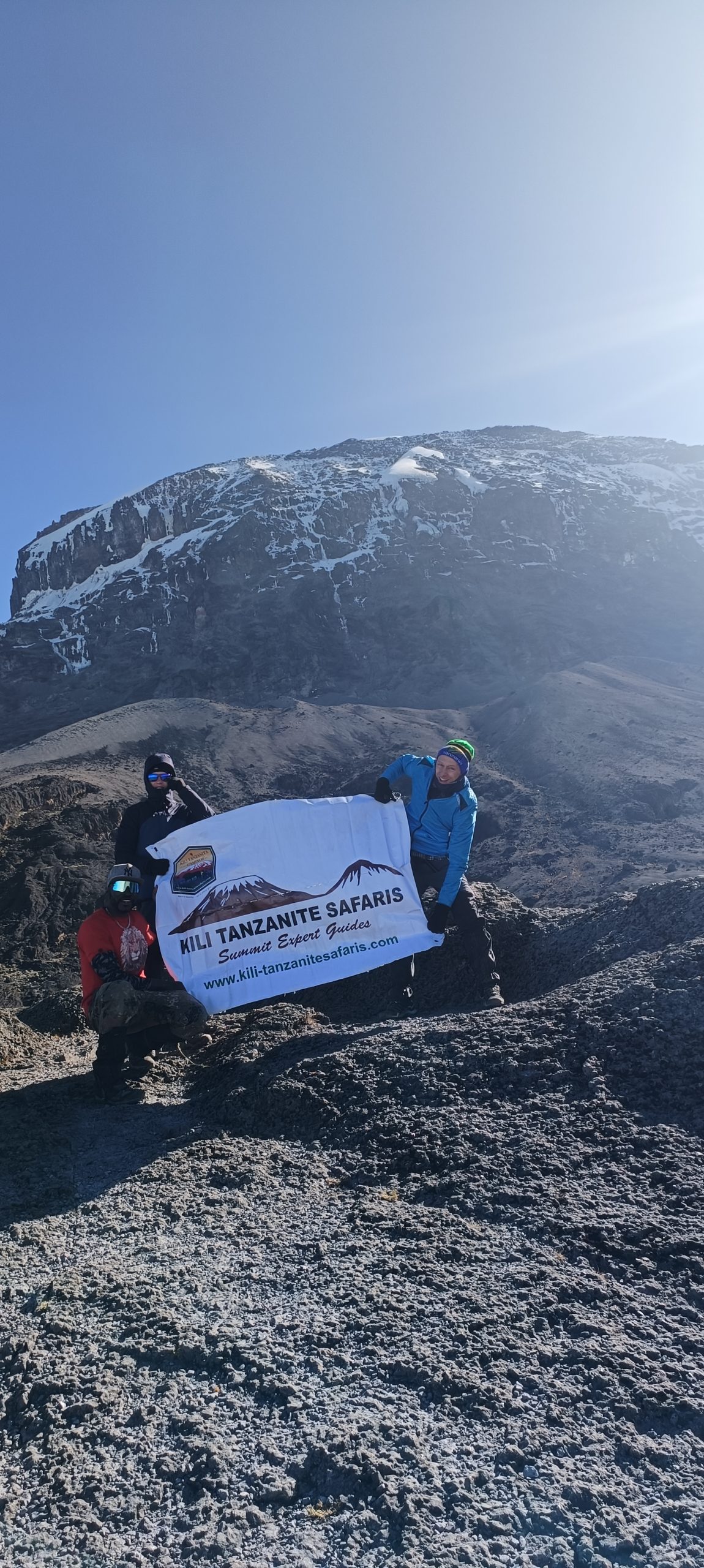
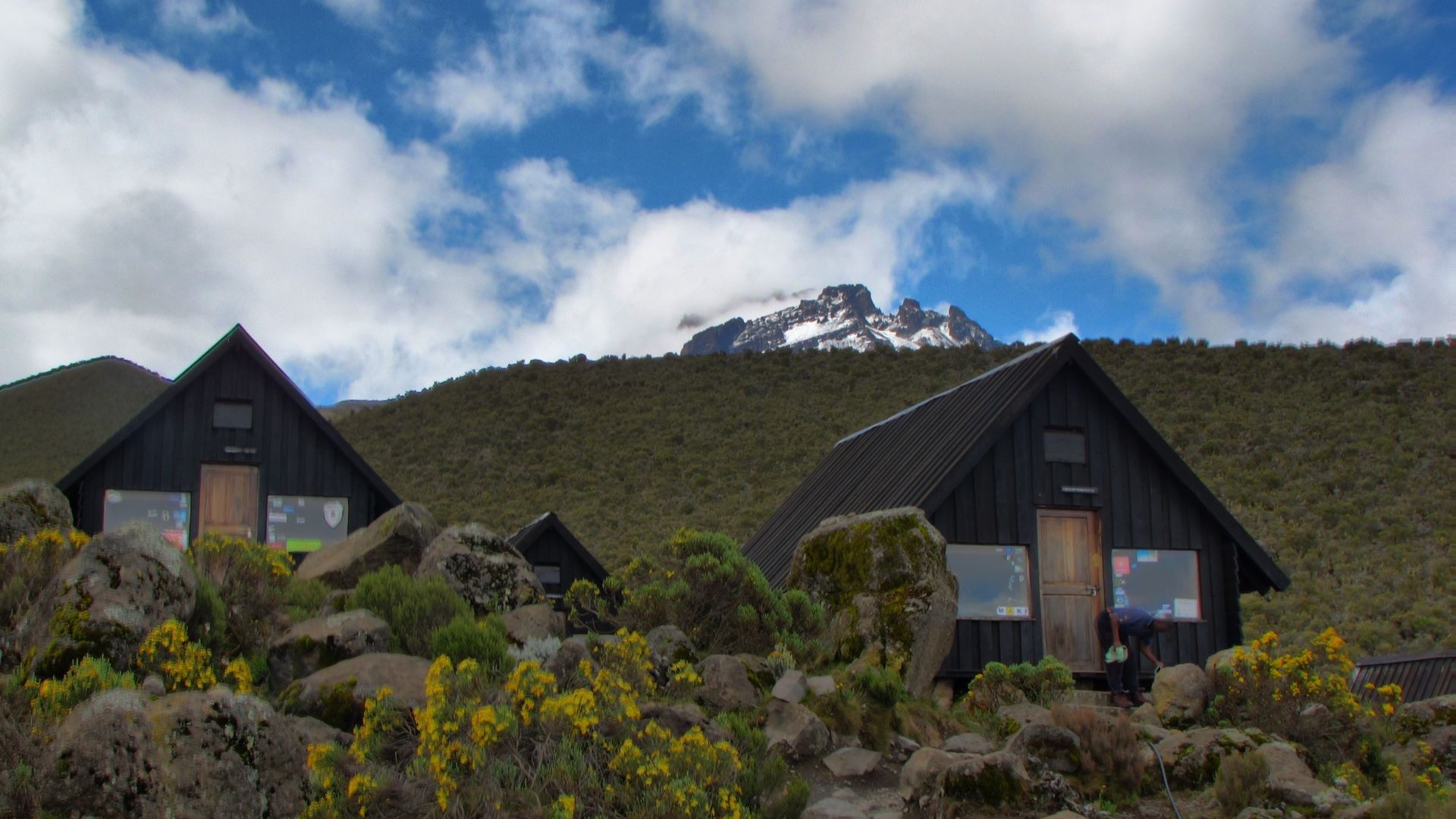
Mount Kilimanjaro is famous for its trekking routes and the iconic Uhuru Peak, but few climbers know that the mountain hides a far more technical and dramatic challenge—Mawenzi Peak, the rugged volcanic cone rising sharply beside Kibo. For experienced mountaineers seeking a true alpine adventure, Mawenzi offers one of Africa’s most demanding and rewarding climbs. However, you can choose the easier normal standard Rongai route. \
Mount Kilimanjaro has a lot of natural attractions, and include the 3 peaks. Kilimanjaro National Park provides standard expeditions and mountaineering guidelines for those who need to summit the Hans Meyer peak in Mawenzi. And individual trekking companies organizes budget Kilimanjaro climbs, as well as extra comfort Kilimanjaro climbing services, termed as LUXURY and VIP travel experiences
What Makes Mawenzi Peak Unique?
Mawenzi is one of Kilimanjaro’s three volcanic cones—Kibo, Shira, and Mawenzi. Standing at 5,149 meters (16,893 ft), it is the second-highest peak on the mountain. Unlike Kibo, which is accessible via trekking routes, Mawenzi is defined by:
- Sharp pinnacles
- Steep cliffs
- Exposed ridges
- Technical rock faces
Its dramatic landscape makes it a dream for skilled climbers and a challenge reserved only for those with proper mountaineering experience.
Mawenzi Plateau: A Scenic High‑Altitude Wonderland
Located on the southeastern side of the Mawenzi cone, the Mawenzi Plateau is a vast, open high‑altitude area offering breathtaking views of both Mawenzi and Kibo. While trekkers on the Rongai Route often pass through this plateau, it is not a route to Uhuru Peak. Instead, it serves as a staging area for climbers preparing for the technical ascent of Mawenzi.
Why Mawenzi Peak Requires Technical Skills
Unlike the standard Kilimanjaro routes, Mawenzi demands:
- Advanced rock‑climbing skills
- Experience with exposed alpine terrain
- Ability to use technical climbing equipment
- Confidence in steep, rugged, and unstable environments
The climb is dangerous without proper training, and Kilimanjaro National Park enforces strict mountaineering guidelines for anyone attempting the Hans Meyer Peak.
Required Technical Equipment for Mawenzi Climbing
Standard trekking gear is not enough. Climbers must carry specialized mountaineering equipment, including:
- 60m dynamic climbing rope (8.5mm)
- Alpine harness
- Climbing helmet
- Crampons
- Ice axe
- High‑altitude climbing boots
- Belay device (ATC)
- Quickdraws, locking & non‑locking carabiners
- Slings (120cm & 240cm)
- Prussic cord / autoblock
- Climbing gloves
- Headlamp
- 2–3L water + high‑energy food
Ranger equipment includes: First aid kit, radio communication, GPS/map/compass, whistle.
This gear list mirrors what is used in technical outdoor lead climbing and alpine rock routes.
Routes Used for Mawenzi Peak Access
The two routes that approach Mawenzi are:
- Rongai Route (most preferred for Mawenzi access)
- Marangu Route (secondary option)
The standard Rongai 6‑day trek costs USD 1,560 per person (private).
Additional Mawenzi fees:
- Mawenzi Peak Rescue Fee: USD 750 per person
- Expert Technical Guides: 2 guides per climber, USD 1,000 per guide (cash)
Full Technical Gear Summary (Per Person)
Personal Gear
- Helmet
- Harness
- Climbing shoes / high‑altitude boots
- Belay device
- Carabiners
- Slings / PAS
Shared Team Gear
- Rope
- Protection rack (cams, nuts, quickdraws)
- Anchor materials
Mountain Gear
- Clothing layers
- Food & water
- Safety equipment
Alternative for Non‑Technical Climbers: Rongai Route to Uhuru Peak
If you want to experience the beauty of Mawenzi without technical climbing, the Rongai Route (Nalemoru) is the best option. It offers:
- High success rates (over 90%)
- Gentle acclimatization
- Stunning views of Mawenzi’s jagged ridges
- 5–7 night itineraries
Best climbing seasons:
- 2026: August & September
- 2027: January & February
Planning Your Mawenzi Peak Expedition
Climbing Mawenzi is a serious undertaking. If you are ready to plan:
- Tell us the number of climbers
- Share your mountaineering experience
- Request a detailed technical briefing
Our certified Mawenzi specialists—each with multiple successful ascents—will guide you through:
- Technical preparation
- Gear requirements
- Safety protocols
- Permits & logistics
- Full expedition planning
We handle everything to ensure a safe, professional, and unforgettable climb. Compare Kilimanjaro trek gears to techical mountaineering gears